

JWH-018 Powder

Original price was: € 550,00.€ 400,00Current price is: € 400,00.
Shipping & Storage Information
JWH-018 Powder is one of the earliest and most studied synthetic cannabinoids. Originally synthesized in academic research (by chemist John W. Huffman) to explore how cannabinoid receptors work.
Below is a detailed, research-level breakdown of its composition, properties, and effects.
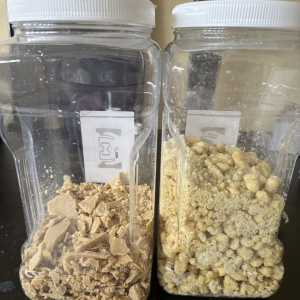
JWH-018 Powder (1-pentyl-3-(1-naphthoyl)indole) is a highly potent synthetic cannabinoid. Created in the 1990s by organic chemist Dr. John W. Huffman to study the brain’s endocannabinoid system. It inadvertently became the founding compound of the multi-billion-dollar illicit “Spice” and “K2” market. In its pure form, it is a white, off-white, or yellowish crystalline powder.
Chemical composition & structure of jwh-018 Powder
Chemical name:
Naphthalen-1-yl-(1-pentylindol-3-yl)methanone
Molecular formula:
C₂₄H₂₃NO
Structure overview:
Built from three key parts:
Indole core → common in many psychoactive compounds
Pentyl side chain → increases receptor binding strength
Naphthalene group → contributes to lipophilicity (fat solubility)
This structure allows it to strongly bind to Cannabinoid receptor type 1 in the brain.
>Physical form (powder):
Typically appears as:
Off-white to light yellow crystalline powder
Highly lipophilic (dissolves in fats, not water)
Active in very small (milligram or sub-milligram) quantities
Mechanism of action
JWH-018 powder interacts with the body’s Endocannabinoid system:
Acts as a full agonist at CB1 receptors (brain) and CB2 receptors (immune system)
Causes stronger receptor activation than THC
Alters neurotransmitter release (dopamine, GABA, glutamate)
The Effects: Why It Is Far More Dangerous Than Cannabis
While users often seek JWH-018 hoping for a high similar to natural cannabis, its pharmacology makes it vastly more unpredictable and hazardous.
The Full Agonist Mechanism: Natural THC is a partial agonist at the brain’s CB1 cannabinoid receptors, meaning it acts like a dimmer switch and hits a biological “ceiling.” JWH-018 is a full agonist. It flips the switch to maximum capacity, causing extreme, uninhibited overstimulation of the central nervous system.
Desired / Initial Effects
-
Intense, rapid-onset euphoria or sedation.
-
Altered sensory perception and a floating sensation.
-
Severe “munchies” (appetite stimulation).
Adverse & Overdose Effects OF JWH-018 Powder
Because a threshold dose of pure JWH-018 is a microscopic 0.5 mg to 3 mg, accidental overdoses are incredibly common, resulting in severe physical and psychiatric emergencies:
-
Cardiovascular Crisis: Acute tachycardia (heart rates spiking past 150–180 BPM), severe hypertension, chest pain, and myocardial infarction (heart attacks) in otherwise young, healthy individuals.
-
Seizures & Tremors: JWH-018 severely lowers the seizure threshold. Tonic-clonic seizures are a signature symptom of synthetic cannabinoid toxicity.
-
Severe Psychiatric Distress: Sudden, overwhelming panic attacks, extreme paranoia, vivid auditory/visual hallucinations, and acute psychosis that can last for days after the drug wears off.
-
Kidney Damage: Acute kidney injury (AKI) requiring dialysis has been frequently documented in emergency rooms due to the metabolic breakdown of synthetic cannabinoids.
-
Severe Addiction and Withdrawal: Unlike natural cannabis, JWH-018 causes rapid, severe physical dependence. Withdrawal symptoms mimic alcohol or benzodiazepine withdrawal, involving severe tremors, intractable vomiting, intense sweating, and severe insomnia
Be the first to review “JWH-018 Powder”
Related products

Uncategorized

Uncategorized

Uncategorized

Uncategorized

Uncategorized

Uncategorized

Uncategorized

Uncategorized
Reviews
There are no reviews yet.